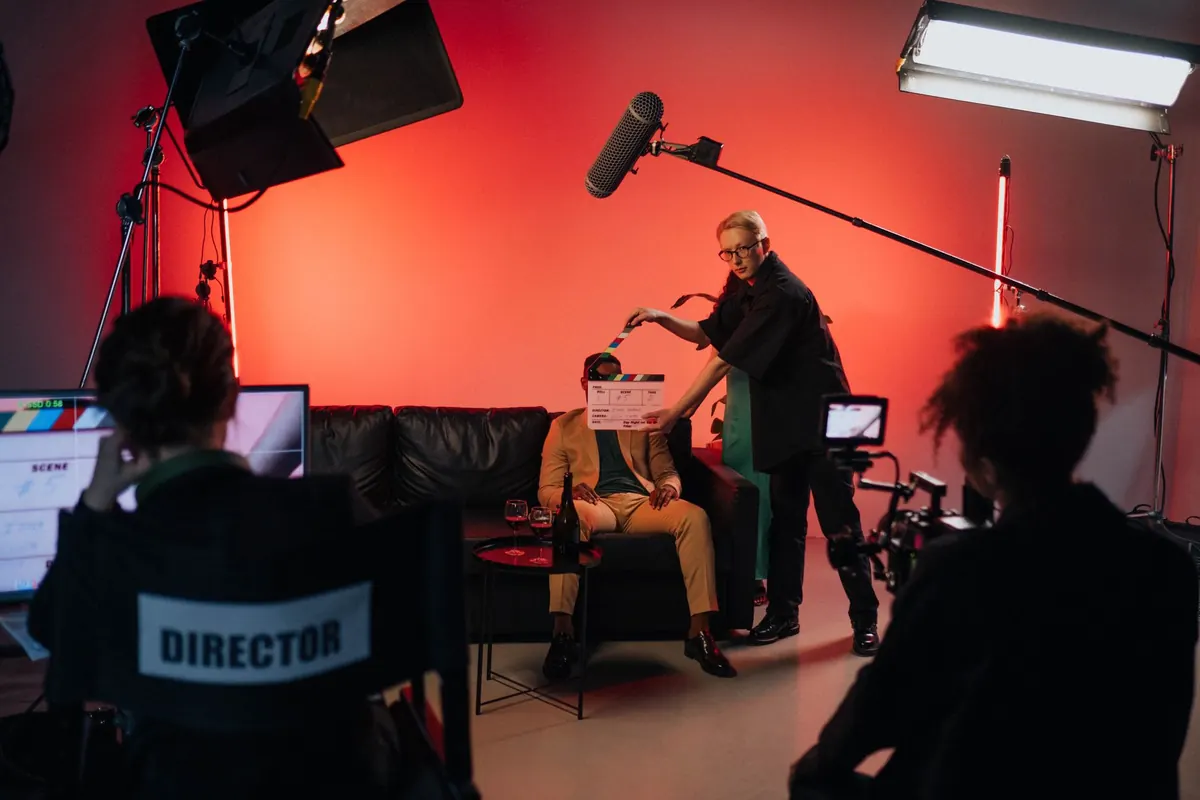
Stagecraft
Backstage Pre-Show Checklist: 15 Stagecraft Items to Inspect Before Curtain Up
Twenty minutes before curtain, a theatre sounds like nothing else: house music bleeding faintly through the pass door, a dresser's zipper, someone tapping a spike mark with a toe. It is also the moment when small oversights become very visible. A safety cable that never got clipped. A prop knife that didn't make it back to the table. A cable ramp nudged two inches out of line.
What follows is a walkthrough worth doing every night, not only on opening. With a flashlight, a calm head and about fifteen minutes, it catches the things rehearsal never covers.
The Fifteen-Point Walkthrough
Run this in order, from the ceiling down to the floor and out through the doors. If something is wrong, fix it or flag it before the house opens. Sequences are forgiving; gravity and electricity are not.
- Overhead hardware: every clamp, bolt and safety cable on anything flown.
- Counterweight arbor: set, balanced and locked off.
- Flown scenery and drops: full travel, no snagging on the batten above.
- Prop table: every item in place, spares set, breakables double-checked.
- Stage preset: furniture spiked, doors free-swinging, practicals working.
- Consumables: candles, food, drinks, ice, paper — enough for tonight plus one.
- Cable paths: taped, ramped and clear of moving scenery and walkways.
- Power and connectors: correct distro, no damaged leads, strain relief in place.
- Trip hazards: floor clear wing to wing, edges of steps glow-taped.
- Emergency exits: unobstructed, lit and openable from the inside.
- Fire equipment and first aid: in place, accessible, and someone knows where.
- Communication: headsets charged, spares to hand, cue lights tested.
- Costume quick changes: rigs set, spares laid out, dressers briefed.
- Cast and crew check-in: everyone accounted for and in places on time.
- Sightlines and front of house: masking set, house ready, latecomer plan agreed.
Rigging and Everything Above Your Head
Look up before you look anywhere else. Walk the stage floor and scan the grid and the battens for anything that differs from last night — a pipe sitting slightly out of level, a drop hanging with a wrinkle that was not there yesterday. Differences are information.
Check that clamps are hand-tight and that safety cables wrap around both pipe and fixture, not merely hooked to a yoke. On the rail, confirm the arbor is balanced for the set in the air and that it is locked off. If a piece feels heavier or lighter than it should, stop and call whoever owns that system; never add weight casually to make a line behave. Run each flown piece through its full travel slowly, watching for contact with the batten above and with the masking. On motorised rigs, confirm the limits work and that everyone on the deck knows where the emergency stop is.
Rigging is specialist work. If you are not trained and authorised to adjust it, your job is to observe and report, not to solve it with a spanner at ten to eight.
Props, Presets and the Prop Table
A good prop table is a map. Every object has a home, laid out in the order it is used, with the preset list taped to the wall behind it. Breakables go on a tray with a lip and a non-slip mat underneath. Anything that resembles a weapon should be checked as a dummy, secured, counted and stored the way your venue requires.
Then walk the show in your head, scene by scene, touching what the actors will touch. Open the doors. Lift the receiver. Light the candle. Pay attention to handoffs: the prop that travels from one performer to another in near-darkness is the one that goes missing. Count consumables for tonight plus a spare, because the candle always burns faster than the plot assumes. If a scene depends on a drink or a plate of food, have a genuine substitute ready.
Quick prop checks worth the extra minute
- Practicals have fresh batteries, and you know who replaces them mid-show.
- Anything edible is fresh and stored at the right temperature.
- Letters, newspapers and documents are the correct version for this performance.
- Glow tape or a small torch marks the return path to the table in blackout.
Cables, Power and the Floor
Kneel at the wing and look across the floor at a low angle. Tape lifts at the ends first, and ramps drift. Any cable crossing a walkway or a scenic track needs proper matting, not a single strip of gaffer. Keep audio and power runs apart where you can, and give anything that moves a service loop with strain relief rather than a tight connector.
Check plugs and leads for cracked bodies, exposed conductors or missing earth pins. Do not daisy-chain power strips, do not overload a circuit, and know where the distribution board is and who is allowed to open it. Damaged cable gets tagged out and reported, not taped over and hoped about. Electrical work needs a qualified person; if that is not you, say so clearly and early. Label cables for the dark, and keep a box of spare lamps, batteries and adapters where you can reach it without a ladder.
Emergency Access and the Path Out
This is the section most often skipped, and the one that matters most. Walk the route an audience member in row F would take in the dark. Every exit door should open from the inside with one action, with no key, no chair and no flight case in front of it. Exit signs lit. Emergency lighting working — know when it was last tested and report any unit that stays dark.
Confirm extinguishers are in place, the gauge is in the green and nothing is stacked against them, and that front-of-house staff know which one is nearest. Check the first aid kit is stocked and its location known, and that someone on the team holds current first aid training. Keep a clear route from the stage door to the street for ambulance crews, and know the address you would give if you had to call. Your venue's fire plan and local regulations govern all of this; a pre-show walk is a supplement to them, never a replacement.
Communication, Costumes and the Human Checklist
Test the headsets in both directions, charge what needs charging, and keep a wired backup plus spare batteries at the ops table. Flash the cue lights and confirm the response. Agree the vocabulary: a standby means ready, a go means go, and everyone knows who calls the show and what happens if a call is missed. Phones on silent, off the desk.
In the dressing room, quick-change rigs should be laid out in the order they are needed, with magnets and press studs checked and a repair kit within reach — needle, thread, safety pins, spare tights, spare shoes. Test the fastenings that fail: the zip that catches, the heel that wobbles. Brief dressers on the running order rather than assuming they remember. Then do the human count: who is in the building, who is not, and what the plan is if someone does not arrive. Swings and covers should hear it directly if they are on.
The Last Ten Minutes
Walk the space backwards, from the far wall to the pass door. You will see different things. Then stand where the audience sits — front row, middle, back — and look at the stage for masking gaps, stray light and anything left visible that should not be. Leave the stage once the preset is done; after the house opens, the stage belongs to the setting, not to last-minute tinkering.
Then the quiet items: house music ready, house at half, front of house briefed on the latecomer plan, and one person responsible for the final go-ahead. Take a breath. Write down whatever you fixed tonight, so tomorrow's walkthrough starts one step ahead.
The last ten minutes do not ask you to be brilliant. They ask you to have been thorough in the fifty before them.
Photo: stevepb / Pixabay